





In Europe, around 30% of the forests are state-owned, meaning that they are managed by the state forest management organizations for the public good. Various forms of state forest management structures have been developed across Europe. In several countries the national ministries are directly responsible for state forest management (like the Forestry Department of the Ministry of Agriculture of Cyprus). In other cases the management is done by purposefully created entities (Polish State Forests Lasy Państwowe), or companies owned by the governments (Swedish Sveaskog and Forests of Ukraine). State forests can be managed in a centralised way at the national level, e.g. in the Czech Republic by Lesy České Republiky, or by regionally decentralised bodies, like in the United Kingdom. In several cases regional governments, like in Spain, are directly involved, sometimes management is done by very decentralized local companies, e.g. in Hungary.
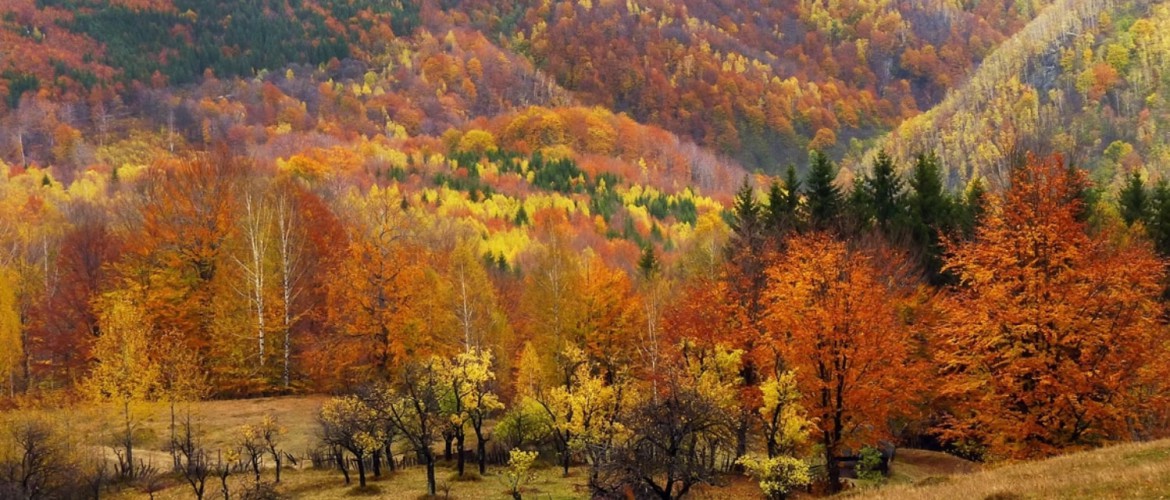
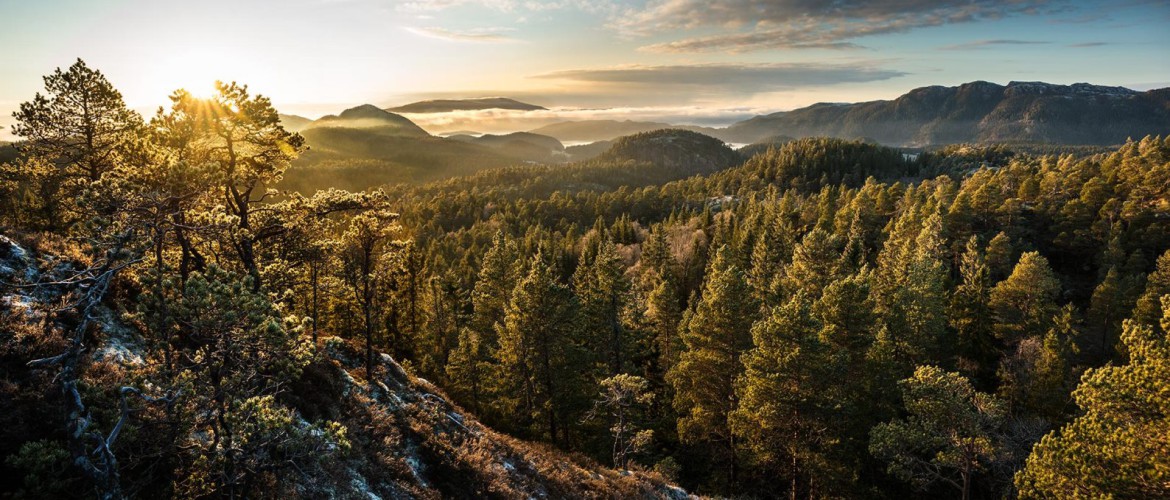
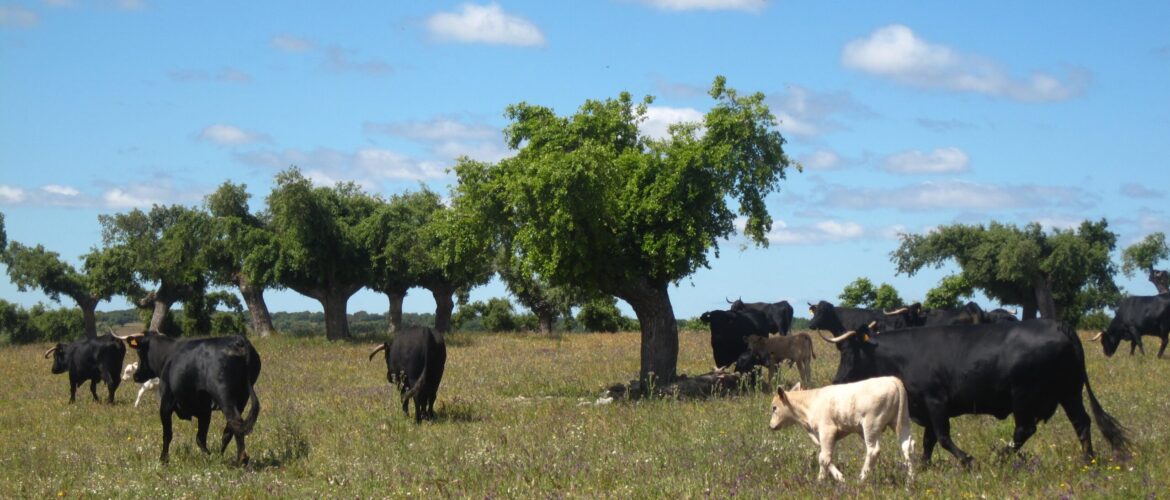
Across Europe, a range of different forest types can be found, from the spruce forests in Scandinavia and the Atlantic forests on Europe’s west coast, to the Mediterranean pine and oak forests and the dry shrublands in the south. All these forests and forested areas require specific management approaches to conserve biodiversity and to meet the social and economic needs of local communities. One thing that these forests all have in common is that they contribute to national economies, by providing raw material to the down-stream value chain, thus supporting employment and livelihoods, and development of rural communities. Forests also play a great role in our cultural traditions and identity, mental well-being, and they are a crucial ally in our fight against climate change.
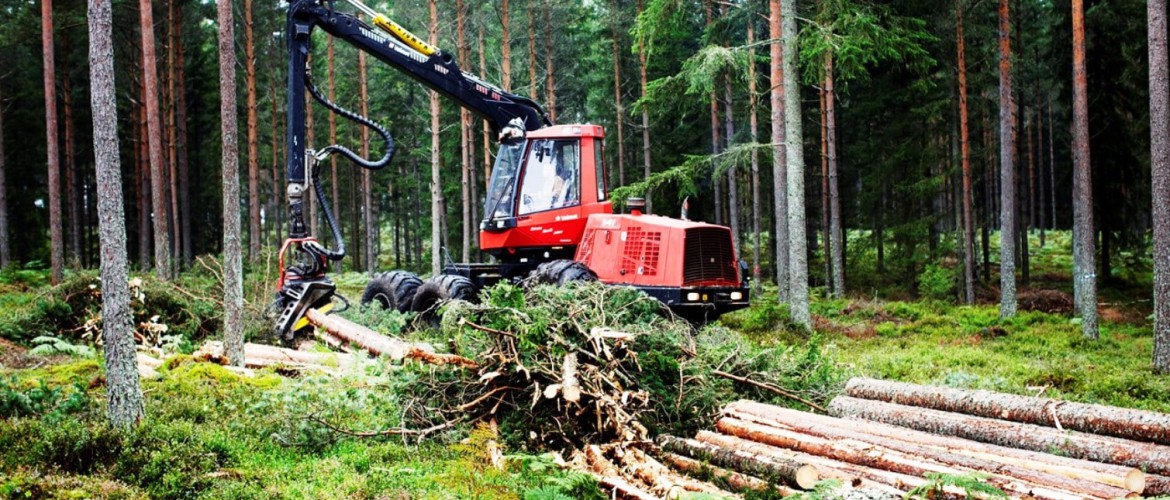
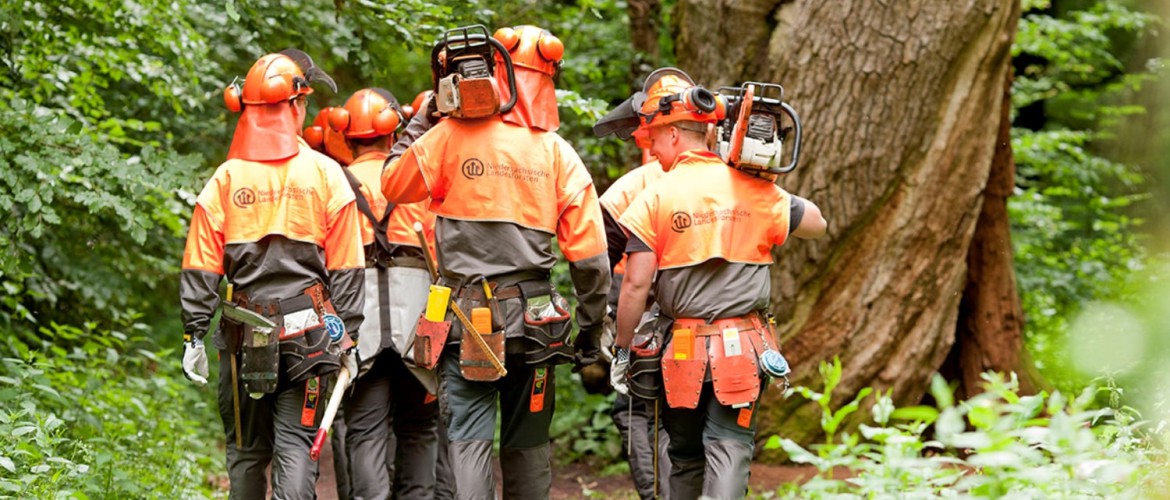
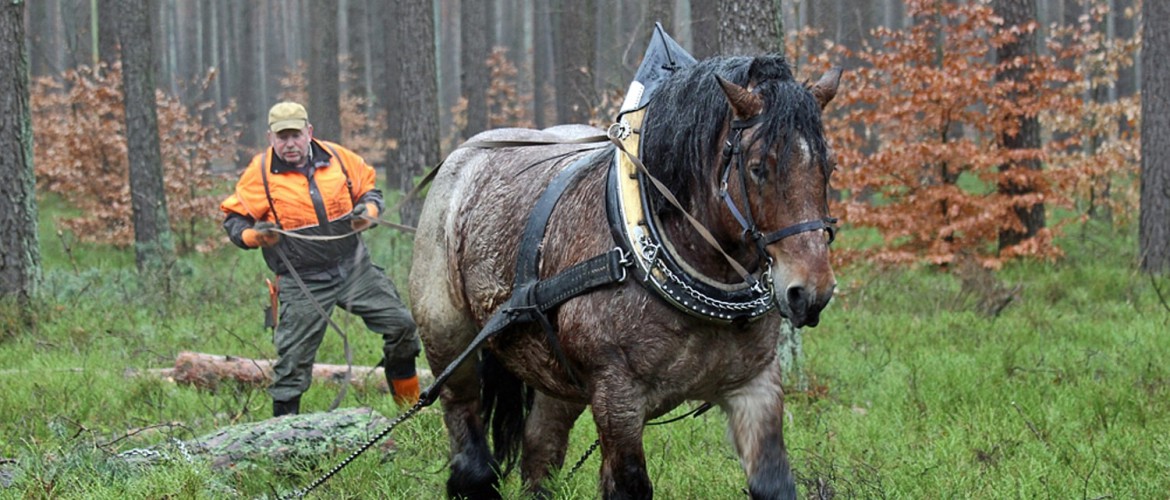
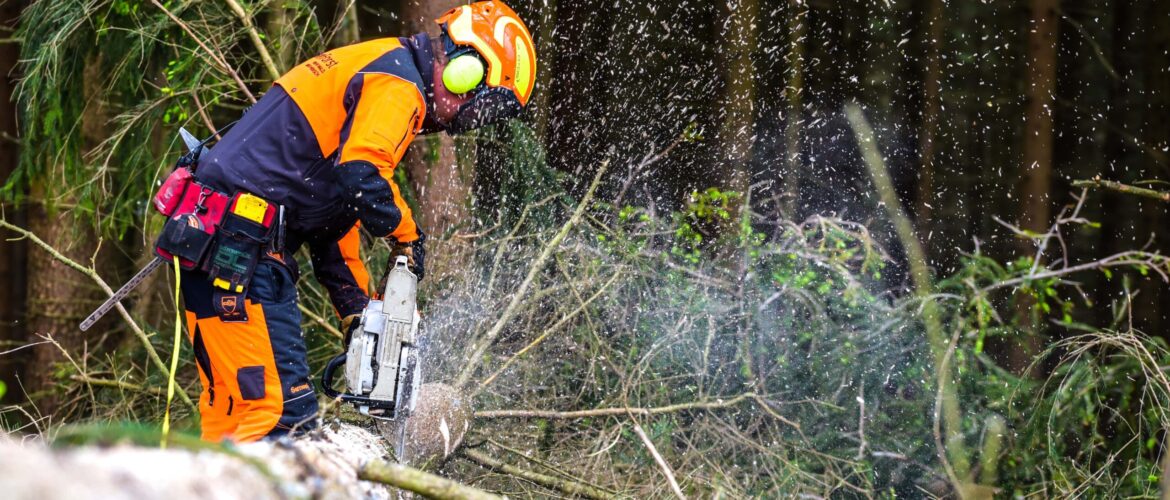
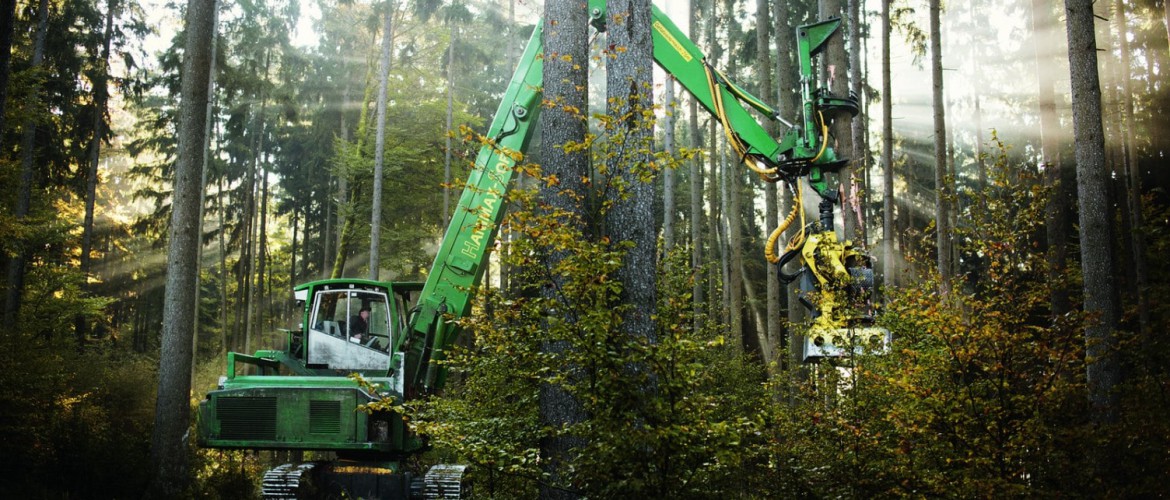
The European state forest organizations are active in all these areas. They are a major driver for the European economy, employing directly 140.000 forest workers and supplying almost 160 million m3 of wood to the market. This makes them one of the most important producers of raw material. This production is done to the highest standards, and all timber is produced according to forest management plans that comply with national forestry laws.
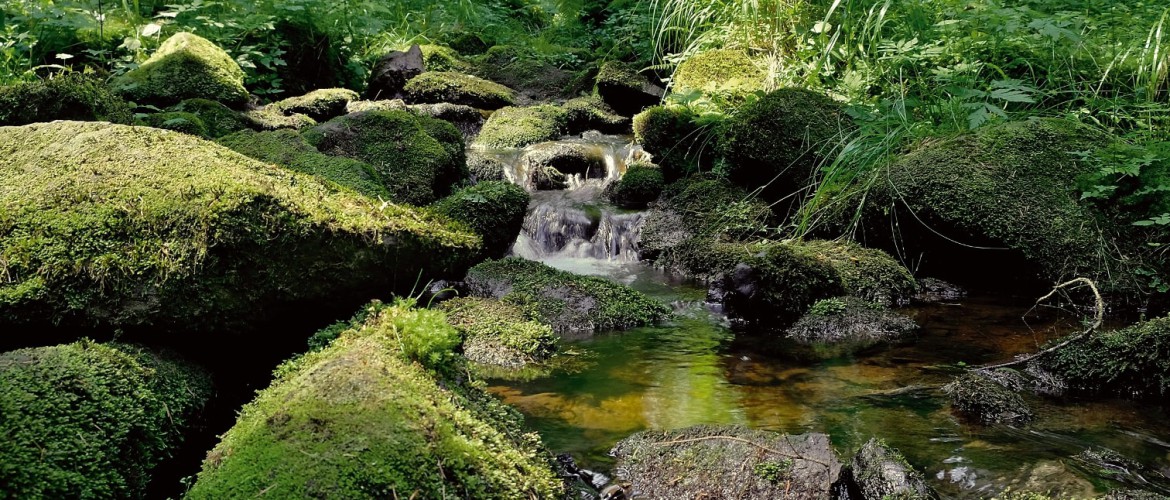
Their role extends far past that of producers: In total, they manage 68 million hectares of land, of which only 55 million is forests. They manage all types of landscapes, including aquatic systems, agricultural land, peri-urban park forests, bogs, prairies and heathlands. They are the stewards of all sorts of natural areas. In total, more than 20 million hectares of land managed by the state forest organisations are protected by nature conservation laws, almost a third of all the managed land. All these numbers cannot properly express the impact that state forests have on society, in terms of non-wood forest products, ecosystem services, cultural identity and recreation.
Although the priorities and management approaches of all these state forest organisations vastly differ, they all have one goal: to create and preserve healthy, resilient forests that can sustain a prosperous rural economy while preserving, at the same time, their natural values.


