
TRICITY FORESTS (POLAND) – IN SYMBIOSIS WITH THE AGGLOMERATION
The Tricity Forests
These forests are unusual for many reasons. Located in the coastal zone of northern Poland, they are situated within post-glacial moraines, which results in their highly diverse topography. These forests are among the oldest stands in Poland, with an average age exceeding 100 years. They are characterized by high biodiversity, with many valuable and protected species and habitats. The vast majority of these forests (85%) are managed by the Gdańsk Forest District, a unit of the State Forests.
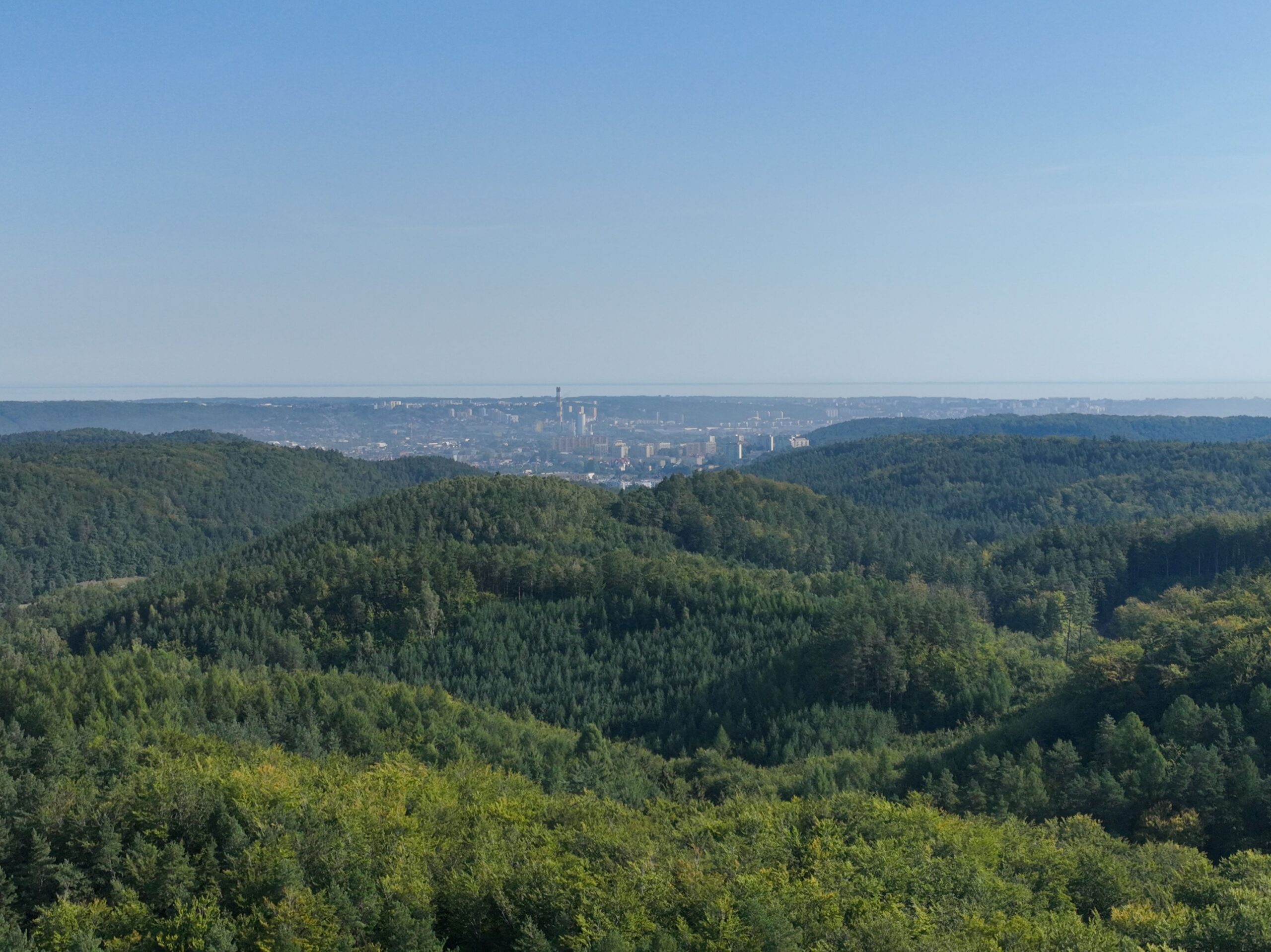
Furthermore, the Tricity Forests border an agglomeration of nearly one million people, comprising the Tricity (Gdańsk, Sopot, Gdynia), the so-called Kashubian Little Tricity (Rumia, Reda, Wejherowo), and smaller, rapidly developing localities. This urban area accounts for 40% of the total population of the Pomeranian Voivodeship. The impact of urbanized areas on forests may grow, as there are governmental plans to establish a metropolitan union consisting of several dozen local governments (over 1.5 million inhabitants in total), with the Tricity Forests as a central part. Currently, the forest-city boundary stretches over 250 km.
Tourism and recreation
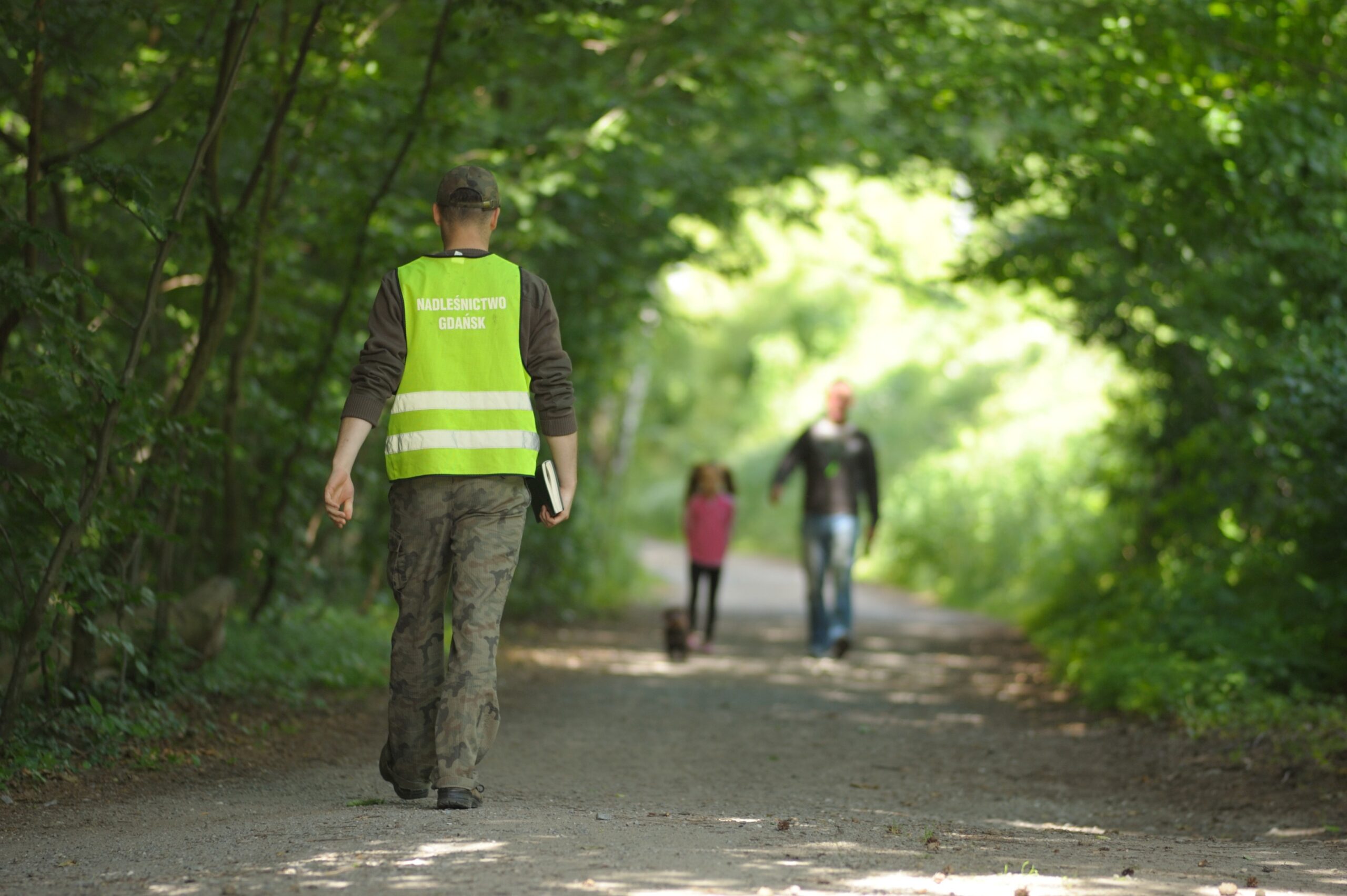
Due to their convenient location, varied landscape and well-preserved stands, the forest areas of the Gdańsk Forest District are popular destinations for local residents and tourists seeking a space to unwind, engage in active recreation or take part in sports. To accommodate this, the district maintains an extensive network of diverse tourist routes that stretch for over 450 km in total, as well as educational trails, forest resting areas and parking lots.
‘Forest for us’ project
Over the last decade, the attitude of Tricity residents toward the forest has shifted. People not only want safe and unrestricted access but also wish to be informed about and influence forest management. Consequently, the Tricity Forests have been granted the status of forests with an increased social function.
The Gdańsk Forest District has adapted its management practices to reflect the social function of forests. An important goal is also to develop social dialogue about planned and ongoing works. For that reason, the 10-year ‘Forest for Us’ project has been launched. The first, preliminary part of the project was held in 2024, together with obligatory public consultations, before adopting the 10-year Forest Management Plan (PUL). Since 2025, the Local Cooperation Teams have been organising annual meetings, with the district area being currently divided into six such teams allowing foresters to reach local communities directly.
These teams are part of the 10-year “Forest for Us” project, which complements the basic forest management plan (PUL). The project provides an opportunity to inform local communities about the Gdańsk Forest District’s current plans, while also encouraging local participation through the proposal of initiatives and co-deciding on various activities.
Case study: BigFoot Works BikePark
A prime example of using public surveys for social dialogue is the BigFoot Works BikePark. Due to the challenging terrain, the Tricity Forests have long been a magnet for MTB enthusiasts. However, for years, cyclists have used illegal trails that were unsafe for both cyclists and other forest users. In 2022, the Tricity Trails Association (Stowarzyszenie Trójmiejskie Ścieżki MTB) proposed creating a professional MTB network near Sopot.
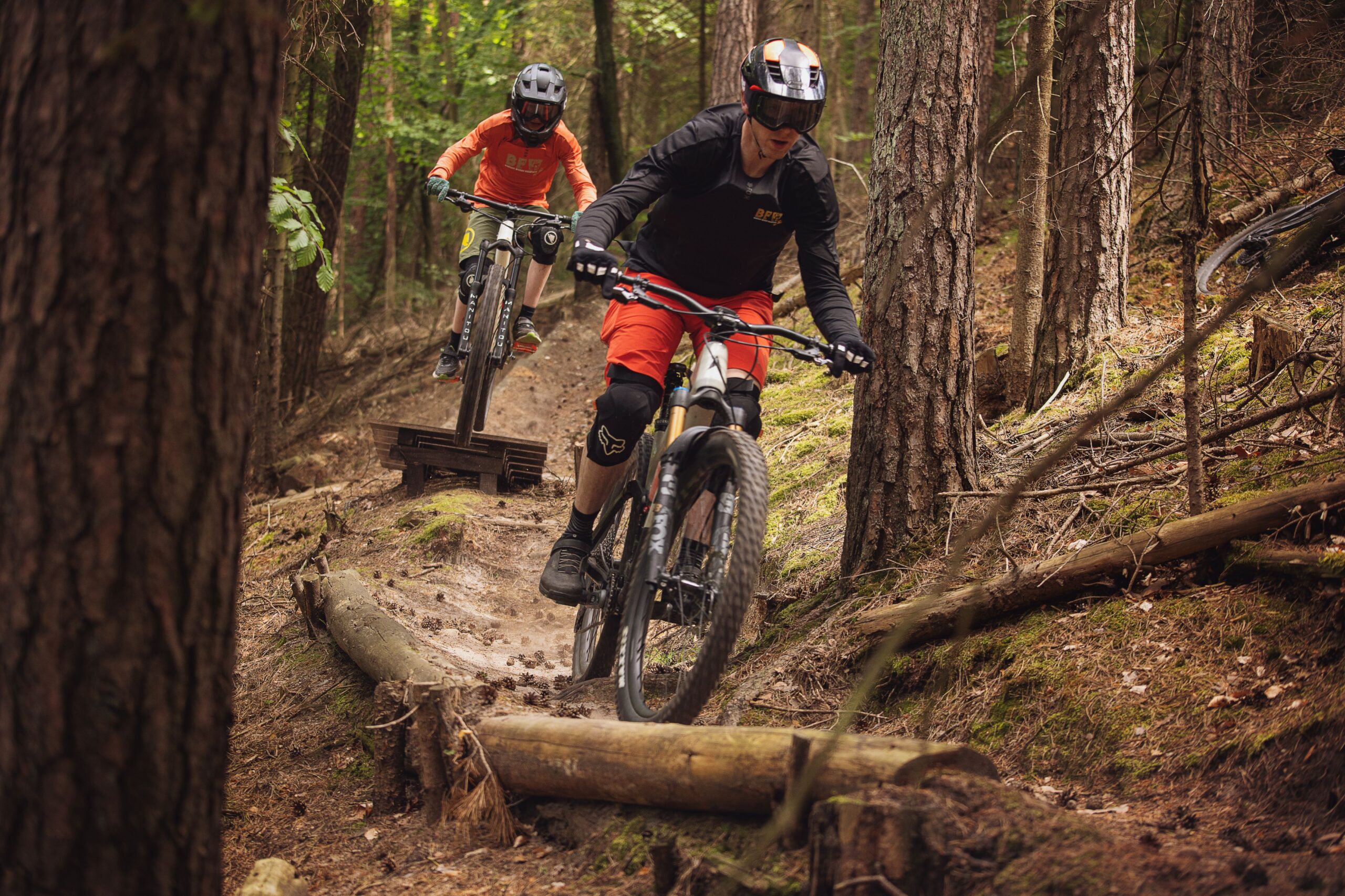
The Forest District launched an online survey to gauge public opinion. Almost 1.5 million people took part, 99% of whom were private individuals, with the majority supporting the creation of legal, professional MTB trails (Fig.). As a result, an agreement was signed in 2023, leading to the creation of the BigFoot Works BikePark.
The bike park covers approx. 100 hectares, with 36 single tracks (18 km in total). They are of varying difficulty and are clearly marked in the forest. It is open all year round. The Association leases only the designated paths and is responsible for their maintenance. The forest remains subject to standard management; trails are temporarily closed if forestry work is required. The BigFoot Works BikePark is purely grassroots initiative funded by donations, without public or municipal subsidies.
Conclusion
Cooperation between the State Forests and local communities is essential in such areas as the Tricity Forests. It addresses local requirements while ensuring rational and sustainable forest use. By channeling specific types of tourism into designated areas, the pressure on the most vulnerable parts of the forest is reduced. This approach proves that forest multifunctionality is achievable in practice, even under the intense pressure of a large urban agglomeration. However, it requires a modern type of forest management, modified to meet environmental and social needs.
Published 01/06/2026, Warsaw
Mr. Roberto Stelstra
Policy Officer (Forest Monitoring, Bioeconomy, Reproductive Material, Innovation, Certification)
- roberto.stelstra(at)eustafor.eu
- +32 (0) 493 555 938