
Thursday 25th June, Round Table in European Forestry House
Outside the office temperature reached +37’C, yet at least as hot topics were discussed in the meetingroom in Forestry house, when UEF, EUSTAFOR,CEPF and FECOF gathered with the stakeholders around the round table to discuss the Forests and Forest-Value Chain for Europe’s Future. The discussion highlighted the growing impacts of climate change on European forests and the urgent need for integrated, cross-sectoral responses.
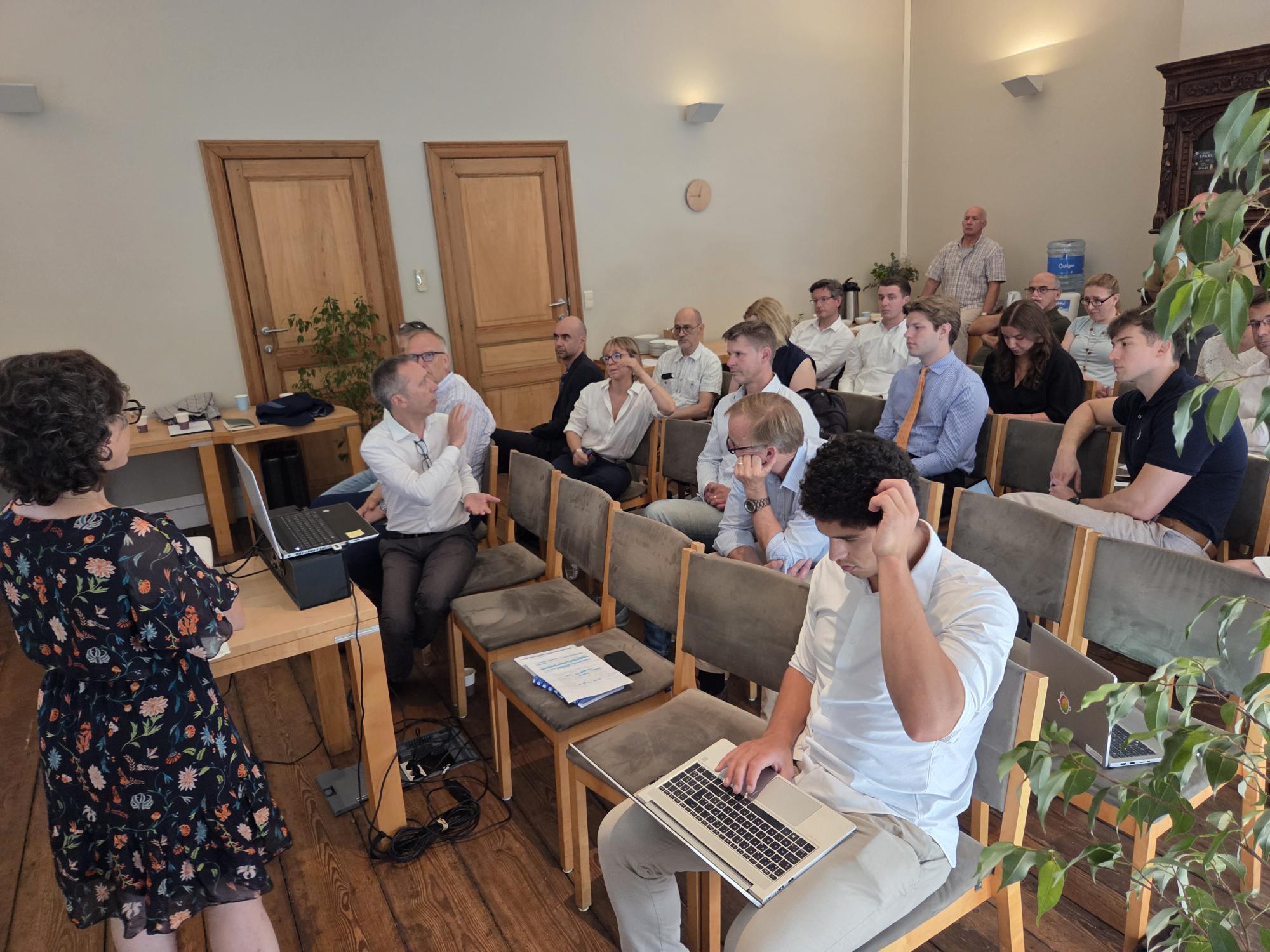
Opening the event, Mr Tomasz Markiewicz (UEF) emphasised forests’ dual role as both vulnerable ecosystems and key assets for climate adaptation, biodiversity, and renewable raw materials. Prof. Bart Mays (KU Leuven) provided an overview of trends in forest adaptability and future value chain developments, underlining the need for forward-looking strategies for example increasing mixed stands of forests instead of monocultural forestry.
Practical insights from Mr Ratko Matošević (Hrvatske šume) demonstrated how adaptive forest management is already being implemented on the ground in Croatia, with many practical examples. Ms Silvia Melegari (EOS & CEI-Bois) stressed the importance of strengthening resilience across the entire forest-based value chain, from forest to market. Adrian Tišťan (DG Environment) presented the European Commission’s work on integrated wildfire risk management, linked to broader initiatives.
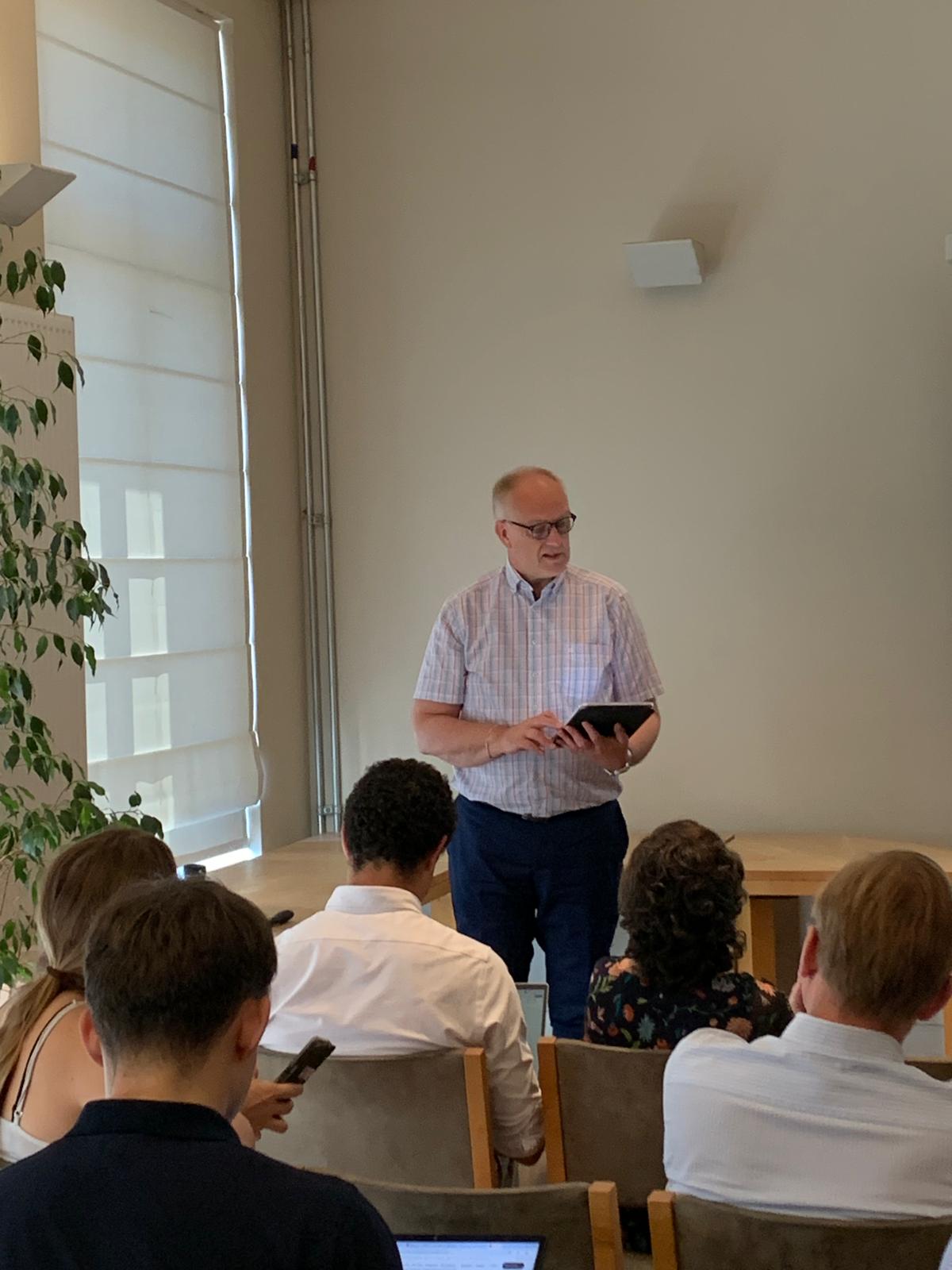
The open discussion raised a lot of questions, but confirmed broad agreement on the importance of active, sustainable forest management and a strong forest-based bioeconomy. As conclusions and closing remarks, EUSTAFOR President Juha S. Niemelä (Metsähallitus) well said in his speech:
“Today’s discussion has made one thing very clear: Europe’s forests stand at a crossroads. Our forests are increasingly exposed to climate change impacts—from droughts and storms to pests and wildfires—yet at the same time they remain one of our most important assets for resilience, climate action, and sustainable development. — A key shared message is that resilience does not happen by itself. It requires active, adaptive, and sustainable forest management, supported by innovation, investment, and strong forest-based value chains.“
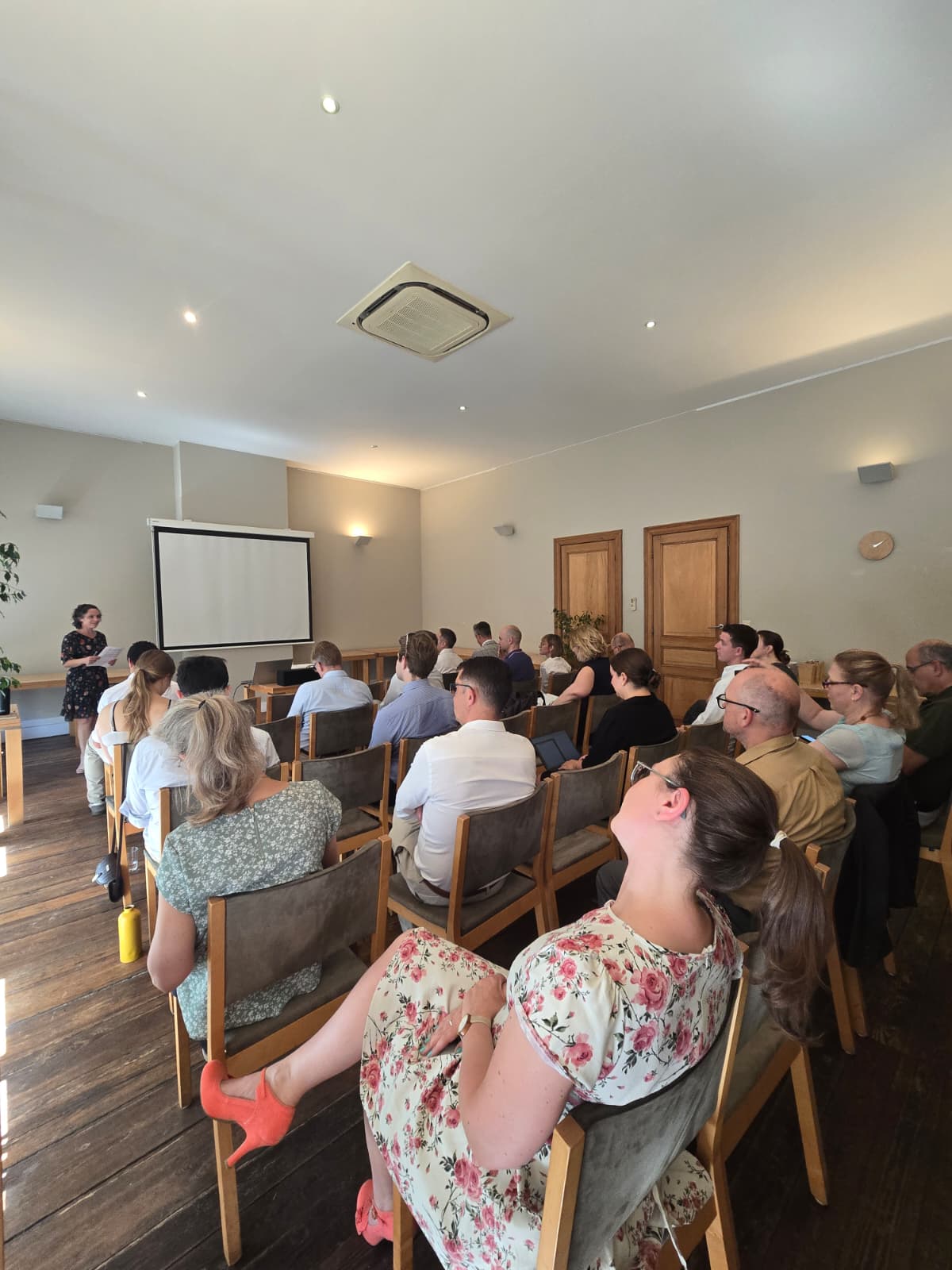
As usual, there would have been more to discuss than the schedules allowed in these multi-dimensional topics, yet the cooperation continues in the essential teamwork between forest owners, managers, industry, and policymakers to ensure that our forests — and the value chains built around them — remain resilient, sustainable, and competitive. Thank you for all the interesting presentations, active participation of the audience and all the useful information shared in the event!
Gallery
Published 25/06/2026, Brussels
Ms. Anna Jolkkonen
Associate (Metsähallitus)
- associate(at)eustafor.eu
- +32 (0) 2 239 23 06
Publications
- Trends in Adaptive Capacity of European Forests, and Related Futures of its Value Chain - Prof. Bart Muys (.pdf)
- How Forest Managers Are Adapting Europe’s Forests – Experience from Hrvatske šume d.o.o. – Mr. Ratko Matošević, Development Officer (.pdf)
- From Forests to Markets: Strengthening Resilience Across Europe’s Forest Value Chain – Ms. Silvia Melegari (.pdf)
- Commission’s Ongoing Work on the Integrated Wildfire Risk Management – Adrian Tišťan, Policy Officer (.pdf)
- Conclusion – Closing Statement – Mr. Juha S. Niemelä (EUSTAFOR President & CEO of Metsähallitus) (.pdf)